
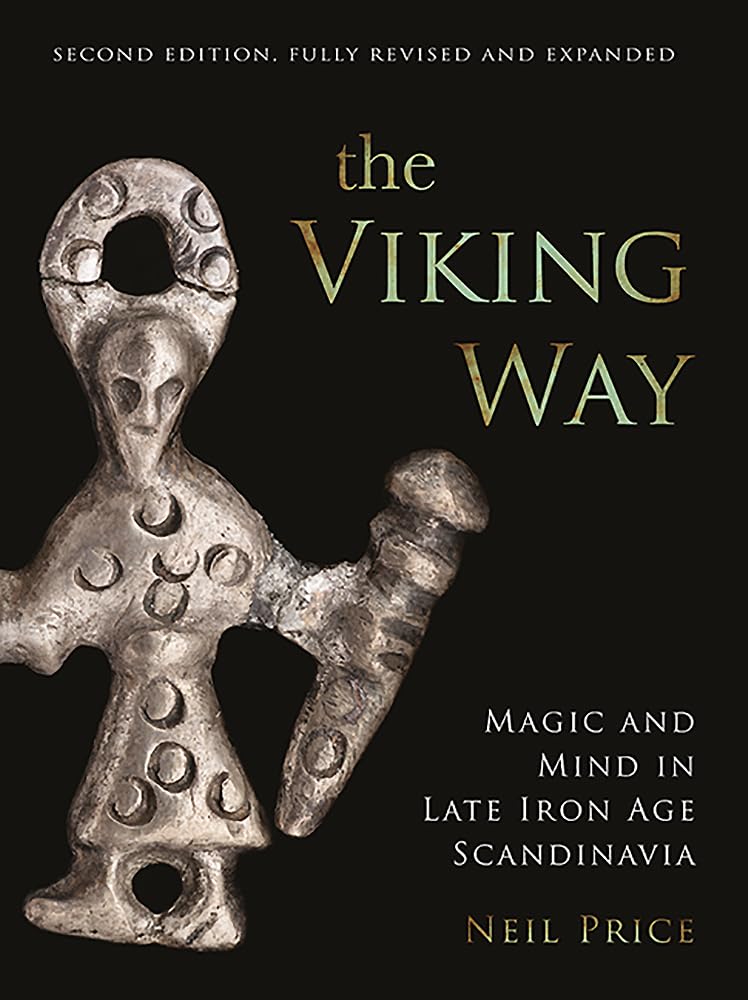
The Viking Way: Magic and Mind in Late Iron Age Scandinavia
Product details
| Management number | 231861274 | Release Date | 2026/06/18 | List Price | US$16.47 | Model Number | 231861274 | ||
|---|---|---|---|---|---|---|---|---|---|
| Category | |||||||||
Magic, sorcery and witchcraft are among the most common themes of the great medieval Icelandic sagas and poems, the problematic yet vital sources that provide our primary textual evidence for the Viking Age that they claim to describe. Yet despite the consistency of this picture, surprisingly little archaeological or historical research has been done to explore what this may really have meant to the men and women of the time. This book examines the evidence for Old Norse sorcery, looking at its meaning and function, practice and practitioners, and the complicated constructions of gender and sexual identity with which these were underpinned. Combining strong elements of eroticism and aggression, sorcery appears as a fundamental domain of women's power, linking them with the gods, the dead and the future. Their battle spells and combat rituals complement the men's physical acts of fighting, in a supernatural empowerment of the Viking way of life. What emerges is a fundamentally new image of the world in which the Vikings understood themselves to move, in which magic and its implications permeated every aspect of a society permanently geared for war. In this fully-revised and expanded second edition, Neil Price takes us with him on a tour through the sights and sounds of this undiscovered country, meeting its human and otherworldly inhabitants, including the Sámi with whom the Norse partly shared this mental landscape. On the way we explore Viking notions of the mind and soul, the fluidity of the boundaries that they drew between humans and animals, and the immense variety of their spiritual beliefs. We find magic in the Vikings' bedrooms and on their battlefields, and we meet the sorcerers themselves through their remarkable burials and the tools of their trade. Combining archaeology, history and literary scholarship with extensive studies of Germanic and circumpolar religion, this multi-award-winning book shows us the Vikings as we have never seen them before.Table of ContentsList of figures and tablesAbbreviationsPreface and acknowledgements to the first editionPreface and acknowledgements to the second editionA note on languageA note on seid1. Different Vikings? Towards a cognitive archaeology of the later Iron AgeA beginning at BirkaTextual archaeology and the Iron AgeThe Vikings in (pre)historyThe materiality of textAnnaliste archaeology and a historical anthropology of the VikingsThe Other and the Odd?Conflict in the archaeology of cognitionOthers without OtheringIndigenous archaeologies and the VikingsAn archaeology of the Viking mind?2. Problems and paradigms in the study of Old Norse sorceryEntering the mythologyResearch perspectives on Scandinavian pre-Christian religionPhilology and comparative theologyGods and monsters, worship and superstitionReligion and beliefThe invisible populationThe shape of Old Norse religionThe double world: seiðr and the problem of Old Norse ‘magic’The other magics: galdr, gandr and ‘Óðinnic sorcery’Seiðr in the sourcesSkaldic poetryEddic poetryThe sagas of the kingsThe sagas of Icelanders (the ‘family sagas’)The fornaldarsögur (‘sagas of ancient times’, ‘heroic sagas’)The Bishop’s sagas (Biskupasögur)The early medieval Scandinavian law codesNon-Scandinavian sourcesSeiðr in research3. SeiðrÓðinnÓðinn the sorcererÓðinn’s namesFreyja and the magic of the VanirSeiðr and Old Norse cosmologyThe performersWitches, seeresses and wise womenWomen and the witch-rideMen and magicThe assistantsTowards a terminology of Nordic sorcerersThe performers in death?The performanceRitual architecture and spaceThe clothing of sorceryMasks, veils and head-coveringsDrums, tub-lids and shieldsStaffs and wandsStaffs from archaeological contextsNarcotics and intoxicantsCharmsSongs and chantsThe problem of trance and ecstasyEngendering seiðrErgi, níð and witchcraftSexual performance and eroticism in seiðrSeiðr and the concept of the soulHelping spirits in seiðrThe domestic sphere of seiðrDivination and revealing the hiddenHunting and weather magicThe role of the healerSeiðr contextualised4. NoaidevuohtaSeiðr and the SámiSámi-Norse relations in the Viking AgeSámi religion and the Drum-TimeThe world of the godsSpirits and Rulers in the Sámi cognitive landscapeNames, souls and sacrificeNoaidevuohta and the noaidiRydving’s terminology of noaidevuohtaSpecialist noaidiDiviners, sorcerers and other magic-workersThe sights and sounds of trance‘Invisible power’ and secret sorceryWomen and noaidevuohtaSources for female sorceryAssistants and jojker-choirsWomen, ritual and drum magicFemale diviners and healers in Sámi societyAnimals and the natural worldThe female noaidi?The rituals of noaidevuohtaThe role of jojkThe material culture of noaidevuohtaAn early medieval noaidi? The man from VivallenSexuality and eroticism in noaidevuohtaOffense and defence in noaidevuohtaThe functions of noaidevuohtaThe ethnicity of religious context in Viking-Age Scandinavia5. Circumpolar religion and the question of Old Norse shamanismThe circumpolar cultures and the invention of shamanismThe shamanic encounterThe earlyethnographies: shamanic research in Russia and beyondShamanism in anthropological perspectiveThe shamanic world-viewThe World Pillar: shamanism and circumpolar cosmologyThe ensouled worldThe shamanic vocationGender and sexual identityEroticism and sexual performanceAggressive sorcery for offence and defenceShamanism in ScandinaviaFrom the art of the hunters to the age of bronzeSeiðr before the Vikings?Landscapes of the mindThe eight-legged horseTricksters and trickerySeiðr and circumpolar shamanismTwo analogies on the functions of the seiðr-staffThe shamanic motivationTowards a shamanic world-view of the Viking Age6. The supernatural empowerment of aggressionSeiðr and the world of warValkyrjur, skaldmeyjar and hjálmvitrFemale warriors in realityThe valkyrjur in contextThe names of the valkyrjurThe valkyrjur in battle-kenningsSupernatural agency in battleBeings of destructionÓðinn and the Wild HuntThe projection of destructionBattle magicSorcery for warriorsSorcery for sorcerersSeiðr and battlefield resurrectionSeiðr and the shifting of shapeBerserkir and ulfheðnarThe battlefield of animalsRitual disguise and shamanic armiesEcstasy, psychic dislocation and the dynamics of mass violenceHomeric lyssa and holy ragePredators and prey in the legitimate warWeaving war, grinding battle: Darraðarljóð and Grottas˛ongr in contextThe ‘weapon dancers’7. The Viking wayA reality in storiesThe invisible battlefieldMaterial magicViking women, Viking men8. Magic and mindReceptions and reactionsCracks in the ice of Norse ‘religion’Walking into the seiðr: contested interpretations of Viking-Age magicQuestioning Norse ‘shamanism’Staffs and spinningQueering magic?The social world of warThe Viking mind: a conclusionReferencesPrimary sources, including translationsPre-nineteenth-century sources for the early Sámi and Siberian culturesSecondary sourcesSources in archiveIndex Read more
| ISBN10 | 1842172603 |
|---|---|
| ISBN13 | 978-1842172605 |
| Edition | 2nd |
| Language | English |
| Publisher | Oxbow Books |
| Dimensions | 8.4 x 1.2 x 11.2 inches |
| Item Weight | 2 pounds |
| Print length | 432 pages |
| Publication date | December 31, 2013 |
Bestseller ranking
General



Correction of product information
If you notice any omissions or errors in the product information on this page, please use the correction request form below.
Correction Request Form